

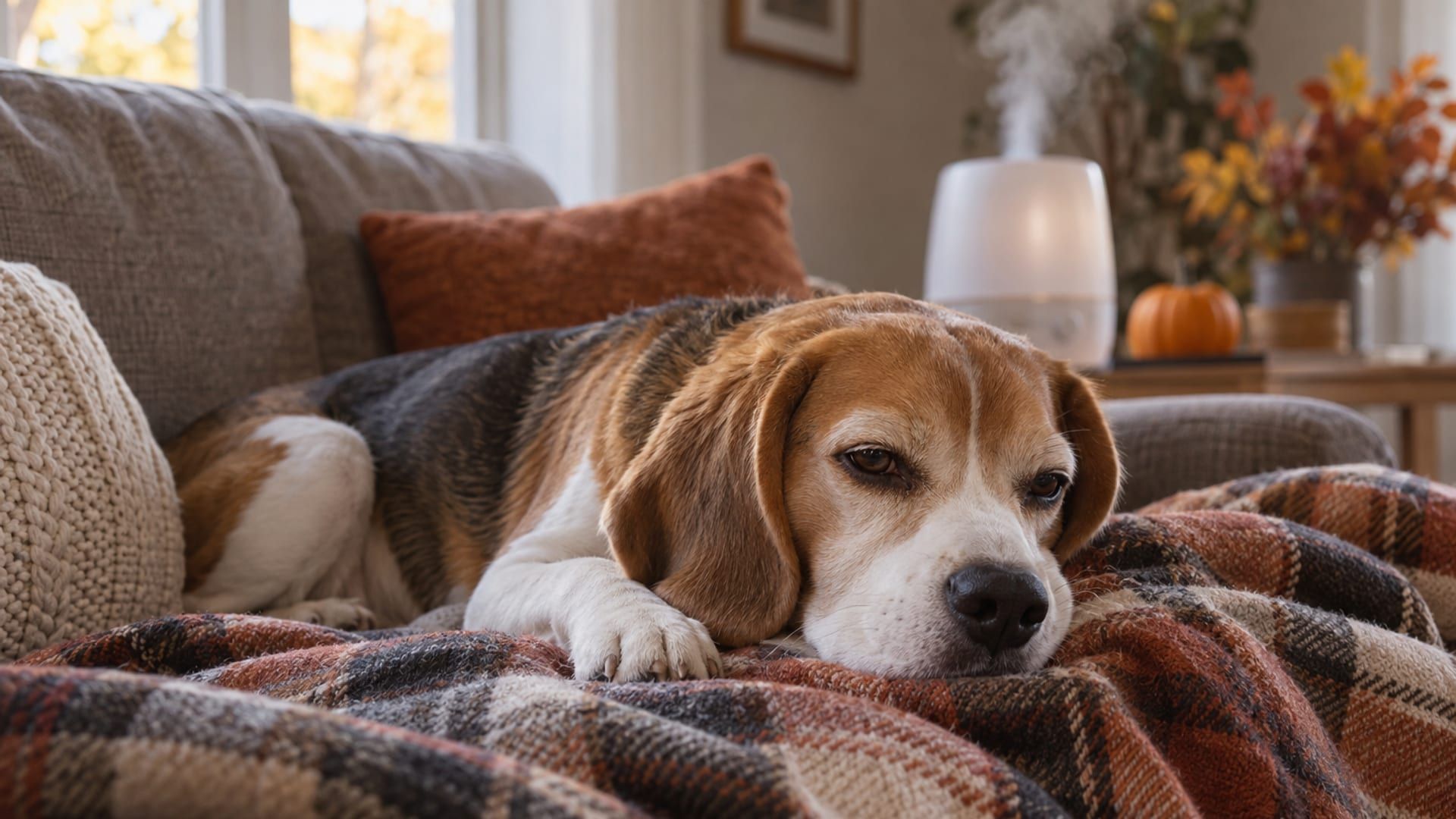
Kennel cough is a contagious respiratory infection in dogs, usually showing up as a harsh, honking cough. Most cases are mild and clear up within one to three weeks with rest, but puppies, seniors and dogs with other health issues can get sicker, so it’s always worth a call to your vet.
The name is a little misleading. Dogs don’t need to go to a kennel to catch it. Any place dogs share air, water bowls or toys can spread it: parks, training classes, groomers, daycare, boarding, even a sniff on the sidewalk. Fall and the holiday travel season, when more dogs are together indoors, are when owners tend to hear about it most.
Here’s what causes kennel cough, what to watch for, and how to lower your dog’s risk.
Key Takeaways
- Kennel cough is a group of respiratory infections, most often involving Bordetella bronchiseptica and viruses like parainfluenza.
- The classic sign is a honking cough; some dogs also have a runny nose or sneezing.
- Symptoms usually appear 2 to 14 days after exposure, and most dogs recover in one to three weeks.
- Call your vet promptly for lethargy, loss of appetite, fever or trouble breathing, which can signal pneumonia.
- Vaccines lower the risk and severity but can’t prevent every case.
Table of Contents
- What Causes Kennel Cough?
- How Kennel Cough Spreads
- Symptoms of Kennel Cough in Dogs
- How Kennel Cough Is Treated
- Can You Prevent Kennel Cough?
- Kennel Cough, Daycare and Boarding
- Summary
- Frequently Asked Questions
What Causes Kennel Cough?
“Kennel cough” is the everyday name for what vets call canine infectious respiratory disease complex. It isn’t one germ. According to the AKC, Bordetella bronchiseptica is a common cause, and viruses like canine parainfluenza and adenovirus type 2, plus mycoplasma, can be involved too, often several at once.
That mix is why kennel cough can look a little different from dog to dog, and why a vaccine against one cause can’t block them all.
How Kennel Cough Spreads
Kennel cough spreads through:
- The air, when an infected dog coughs or sneezes
- Direct contact, like nose-to-nose greetings
- Shared objects, such as water bowls, toys and bedding
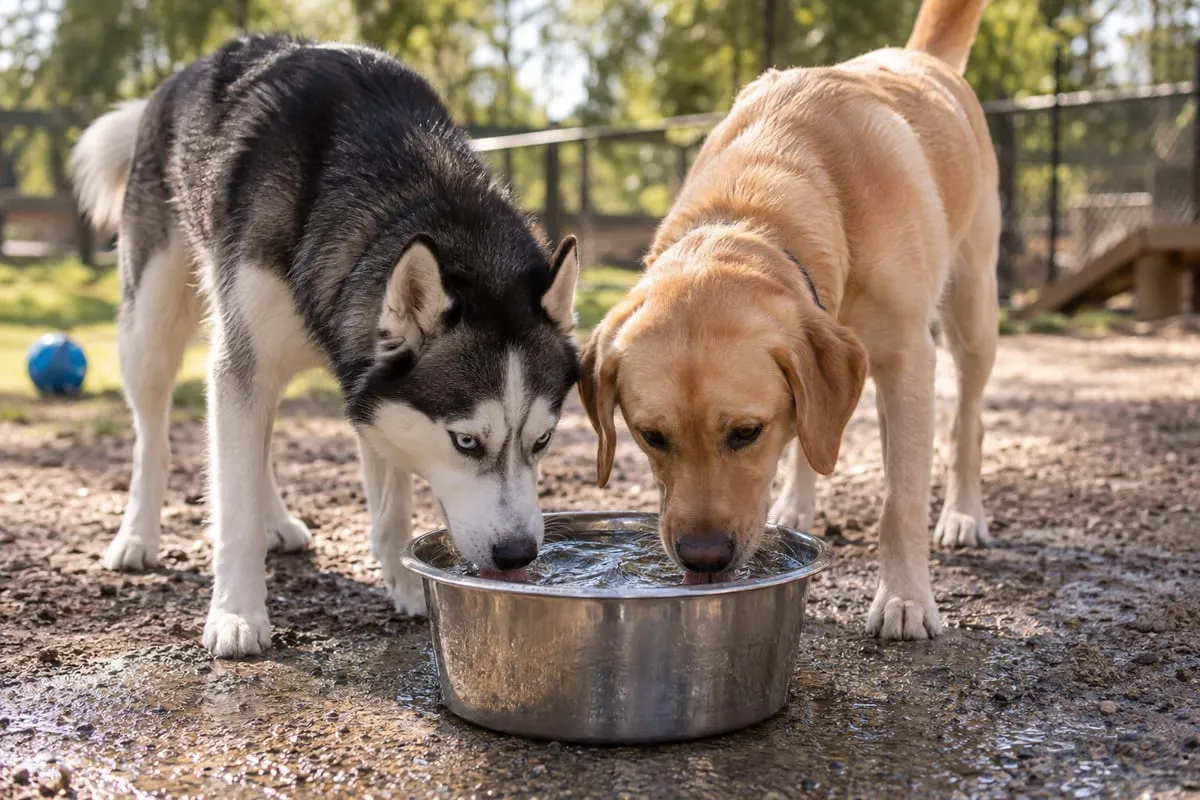
The AKC also notes that cold air, poor ventilation and stress can make dogs more susceptible. Dogs can spread it before they show any signs, which is one reason it moves through groups of dogs so easily.
Symptoms of Kennel Cough in Dogs
The hallmark is a harsh, dry cough that many owners describe as a goose honk. It can end with gagging or bringing up a little foamy mucus, which people often mistake for something stuck in the throat.
Other signs can include:
- Sneezing or a runny nose
- Mild eye discharge
- A cough that gets worse with excitement, exercise or pulling on the leash
Many dogs with mild kennel cough still eat well and act like themselves, apart from the coughing. Symptoms usually start 2 to 14 days after exposure.
When to Call Your Vet Right Away
Kennel cough can occasionally progress to pneumonia, and puppies, seniors and dogs with other health problems are at higher risk. Call your vet promptly if your dog:
- Seems lethargic or weak
- Stops eating
- Has a fever
- Is breathing fast or with effort
- Has a cough that keeps getting worse, or lasts beyond a couple of weeks
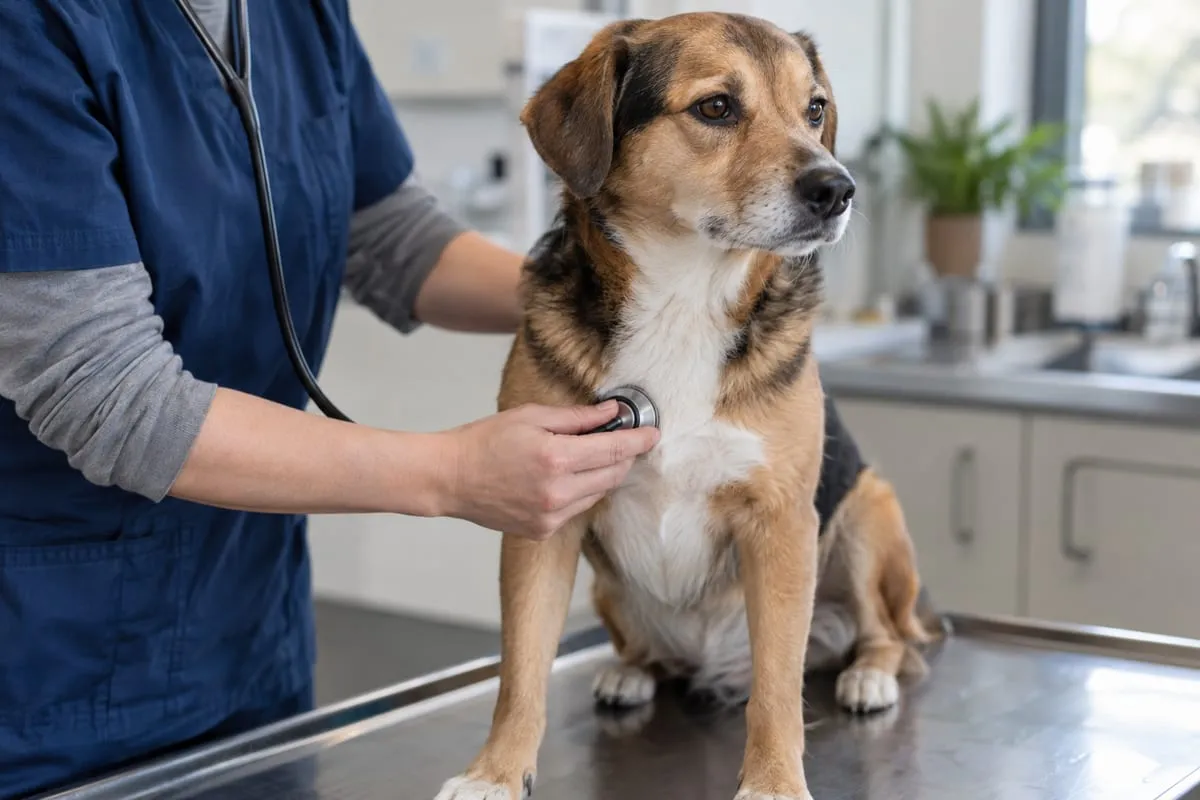
Even for a mild cough, it’s worth a call. Other conditions, including canine influenza, heart disease and collapsing trachea, can cause coughing too, and your vet can tell them apart.
How Kennel Cough Is Treated
Mild cases often clear up on their own with rest. Depending on your dog, your vet may recommend:
- Rest and reduced activity, usually for at least a week
- A cough suppressant to help your dog (and you) sleep
- Antibiotics if a bacterial infection is suspected or there are signs of pneumonia
Never give your dog human cough medicine without your vet’s okay. Some ingredients are dangerous for dogs.
Caring for a Coughing Dog at Home
- Keep them calm. Short, quiet potty walks instead of long outings or play.
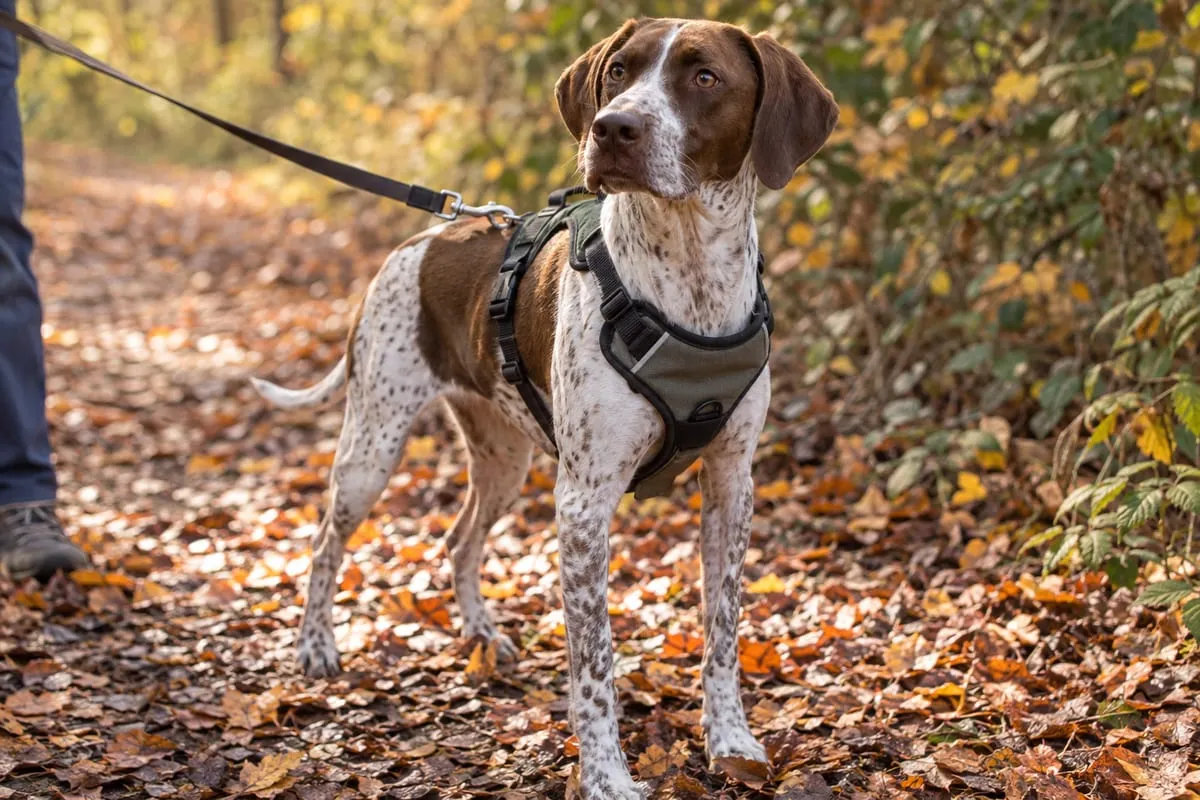
- Switch to a harness. Pressure from a collar on the throat can set off coughing fits.
- Run a humidifier or let your dog hang out in the bathroom while you shower; moist air can ease the cough.
- Keep them away from other dogs while they’re coughing and for a period afterward. The AKC recommends at least two weeks after the cough stops.
Can You Prevent Kennel Cough?
You can’t eliminate the risk completely, but you can lower it a lot.
Vaccines
Vaccines for Bordetella and parainfluenza are widely available and often recommended for dogs who spend time around other dogs. They come in different forms (intranasal, oral and injectable), and boosters are typically given every 6 to 12 months, depending on the product and your dog’s risk. Ask your vet which is right for your dog, and plan ahead, since some vaccines need time to take effect before your dog is exposed.
Vaccination lowers the risk and usually makes illness milder if it happens. It can’t cover every germ involved, so a vaccinated dog can still occasionally catch a cough.
Everyday Habits That Help
- Bring your own water bowl to parks and on outings.
- Keep your dog home from group activities if they’re coughing or sneezing.
- Stay up to date on core vaccines and regular vet checkups.
- Support overall health with good food and exercise. (Our posts on superfoods for pets and nutrition and exercise are good places to start.)
Kennel Cough, Daycare and Boarding
Any setting where dogs gather carries some risk, and responsible daycares and boarding facilities take steps to reduce it: vaccine requirements, cleaning and disinfecting, good ventilation, and keeping coughing dogs home.
If you’re planning holiday travel, check your boarding facility’s vaccine requirements early so there’s time to get boosters in. Our posts on what to pack for your dog’s boarding stay and our free dog boarding checklist can help you get ready. Learn more about dog boarding or dog daycare at Park Your Paws.
If your dog starts coughing after a stay or a play day, call your vet and let the facility know so they can watch other dogs too.
Summary
Kennel cough in dogs is common, contagious and usually mild, with most dogs recovering in one to three weeks. Listen for the telltale honking cough, give your dog rest, switch to a harness, and keep them away from other dogs until well after the cough is gone. Call your vet promptly for lethargy, loss of appetite, fever or breathing trouble, and ask about vaccines if your dog spends time with other dogs.
This article isn’t a substitute for veterinary advice. When in doubt, call your vet.
Frequently Asked Questions
Is kennel cough contagious to humans or cats?
Kennel cough is primarily a dog illness. Bordetella bronchiseptica can rarely infect cats and, very rarely, people with weakened immune systems. If you have concerns, ask your doctor or vet.
Can a vaccinated dog get kennel cough?
Yes. Vaccines lower the risk and usually make illness milder, but kennel cough can be caused by several different germs, and no vaccine covers them all.
How long is kennel cough contagious?
Dogs can spread it while they’re coughing and for a while afterward. The AKC recommends keeping your dog away from other dogs for at least two weeks after the cough stops.
Can kennel cough go away on its own?
Mild cases often do, with rest. Still, call your vet to confirm it’s kennel cough and not something more serious, and watch closely for signs it’s getting worse.