
Halloween Safety for Dogs: Candy, Costumes and Doorbells

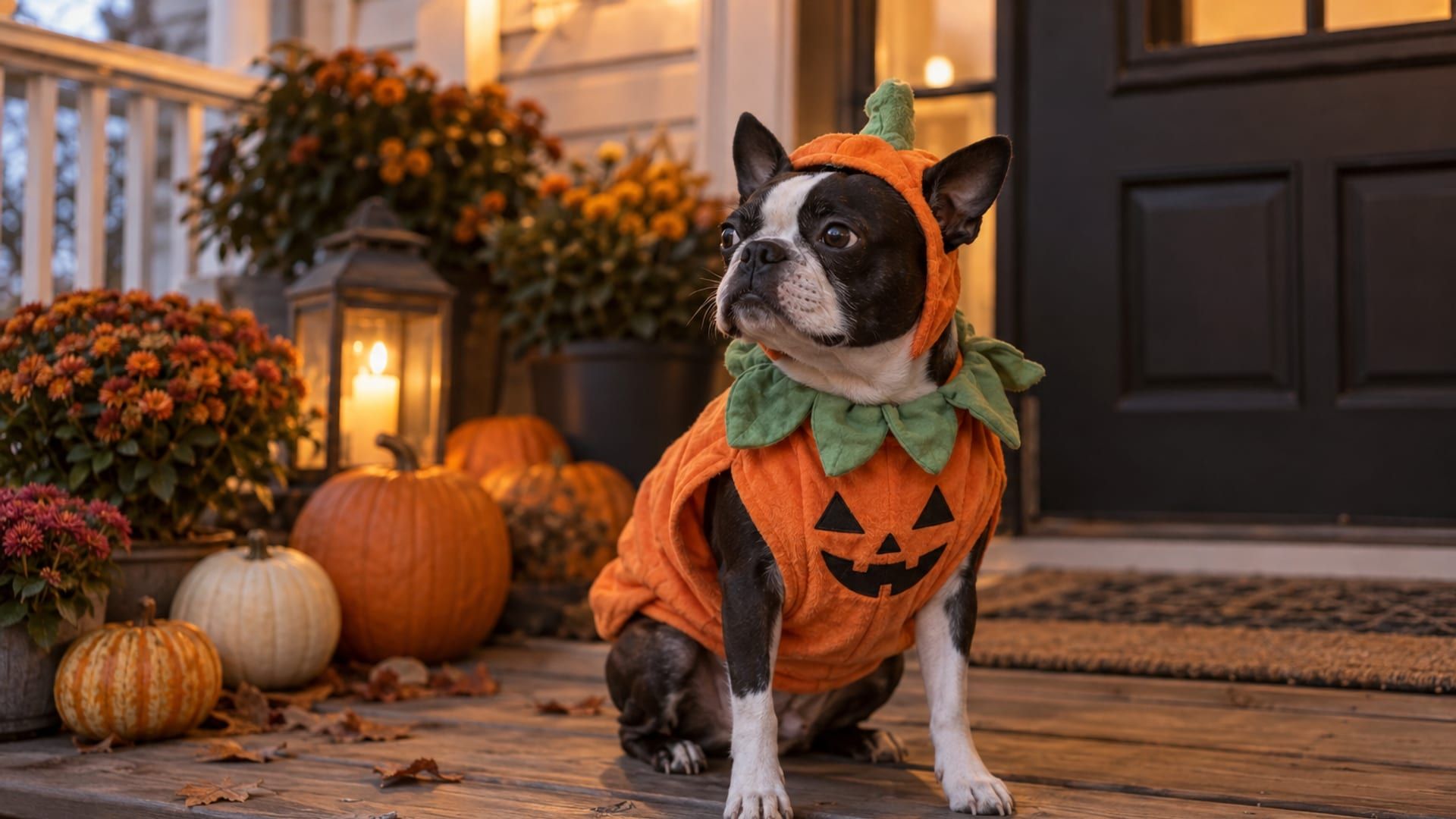
Halloween safety for dogs comes down to three things: keep the candy (especially chocolate and anything sugar-free) out of reach, make sure any costume is comfortable and safe, and give your dog a calm, secure spot away from the front door during trick-or-treating. Most Halloween emergencies vets see trace back to one of those.
For people, Halloween is fun. For a lot of dogs, it’s a strange night: the doorbell rings over and over, strangers in masks shout on the porch, and there’s a bowl of irresistible-smelling treats sitting right by the door. A little planning makes it a lot easier on everyone.
Here’s how to keep your pup safe and relaxed this Halloween.
Key Takeaways
- Chocolate is toxic to dogs, and dark and baking chocolate are the most dangerous.
- Sugar-free candy and gum with xylitol can be life-threatening for dogs, even in small amounts.
- Costumes should never restrict movement, sight or breathing, and shouldn’t have small pieces your dog could chew off.
- Keep your dog in a quiet room away from the front door during peak trick-or-treating hours.
- Make sure your dog wears an ID tag and that microchip info is current in case they slip out.
Table of Contents
- Keep Halloween Candy Away From Your Dog
- Choosing a Safe Dog Costume
- Decorations, Candles and Pumpkins
- Managing the Doorbell and Trick-or-Treaters
- Walking Your Dog on Halloween Night
- What to Do if Your Dog Eats Candy
- Summary
- Frequently Asked Questions
Keep Halloween Candy Away From Your Dog
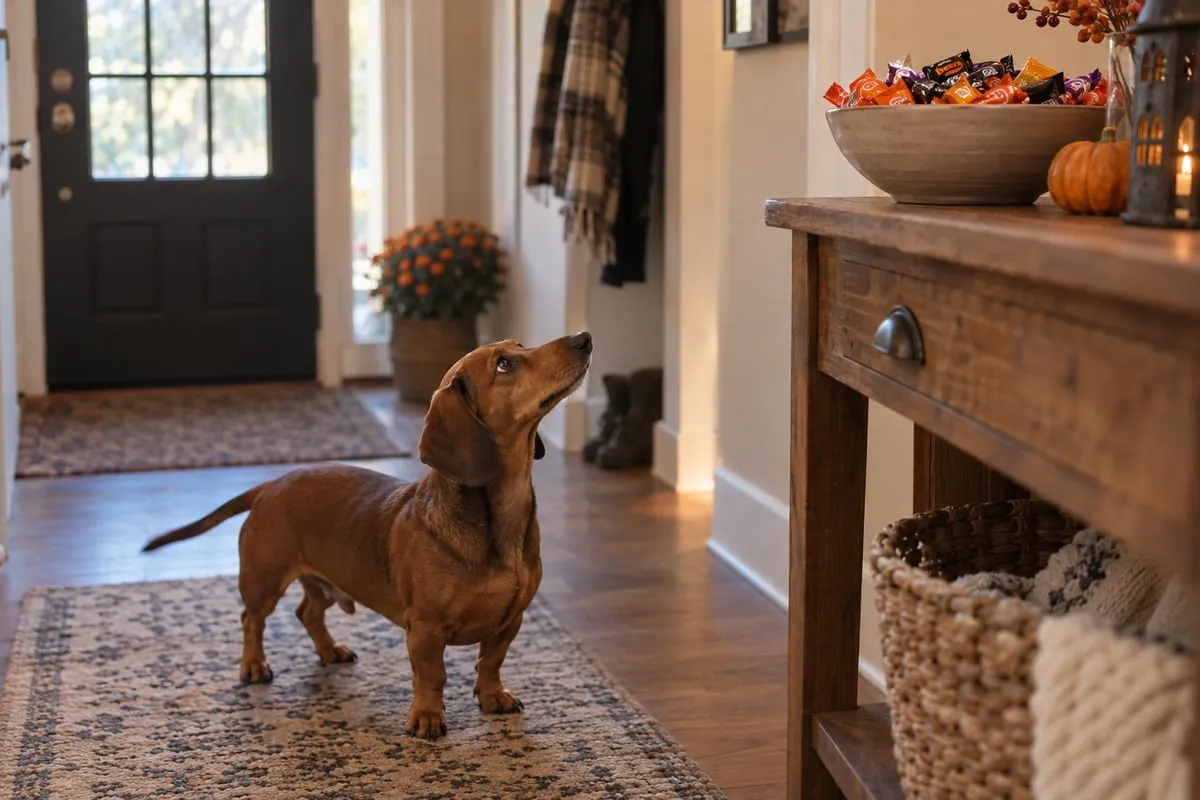
The candy bowl is the number one Halloween hazard. Keep it up high, out of nose reach, and remind kids that their haul stays off the floor and out of their rooms if the dog can get in.
Chocolate
According to the ASPCA, chocolate in all forms can be dangerous for dogs, especially dark or baking chocolate. It contains compounds (theobromine and caffeine) that dogs process very slowly, and it can cause vomiting, diarrhea, restlessness, a racing heart and, in serious cases, seizures.
The darker the chocolate and the smaller the dog, the bigger the risk. A few bites of a milk chocolate bar may only upset a large dog’s stomach, while the same amount of baking chocolate could be an emergency for a small one.
Xylitol and Sugar-Free Candy
Xylitol is a sugar substitute found in some sugar-free gum, mints and candy. The FDA warns that it’s dangerous to dogs: it can cause a rapid drop in blood sugar and, in some cases, liver failure. Signs like vomiting, weakness, wobbliness or collapse can show up quickly.
If your house has sugar-free treats, check labels and treat anything with xylitol as an emergency if your dog gets into it.
Raisins, Wrappers and Lollipop Sticks
- Raisins (those little Halloween boxes) and grapes can cause kidney problems in dogs. The ASPCA lists them among foods to avoid feeding your pets.
- Wrappers can cause vomiting or an intestinal blockage, and dogs often eat candy wrapper and all.
- Lollipop sticks can splinter or get stuck.
Choosing a Safe Dog Costume
Some dogs genuinely don’t mind dressing up. Others hate it, and that’s fine. If you do go for a costume, the ASPCA recommends making sure it doesn’t restrict your dog’s movement, sight or breathing, and checking for small or dangling pieces that could be a choking hazard.
A few tips:
- Try it on before the big night. Give treats, keep it short, and watch your dog’s body language.
- Skip anything around the face or ears if your dog keeps pawing at it.
- Choose breathable fabric and loose fits; nothing tight around the neck.
- Never leave a costumed dog unsupervised.
Signs your dog is not a fan: freezing, tail tucked, ears back, lip licking, trying to back out of it, or rolling to get it off. If you see those, a festive bandana is a great compromise.
Decorations, Candles and Pumpkins
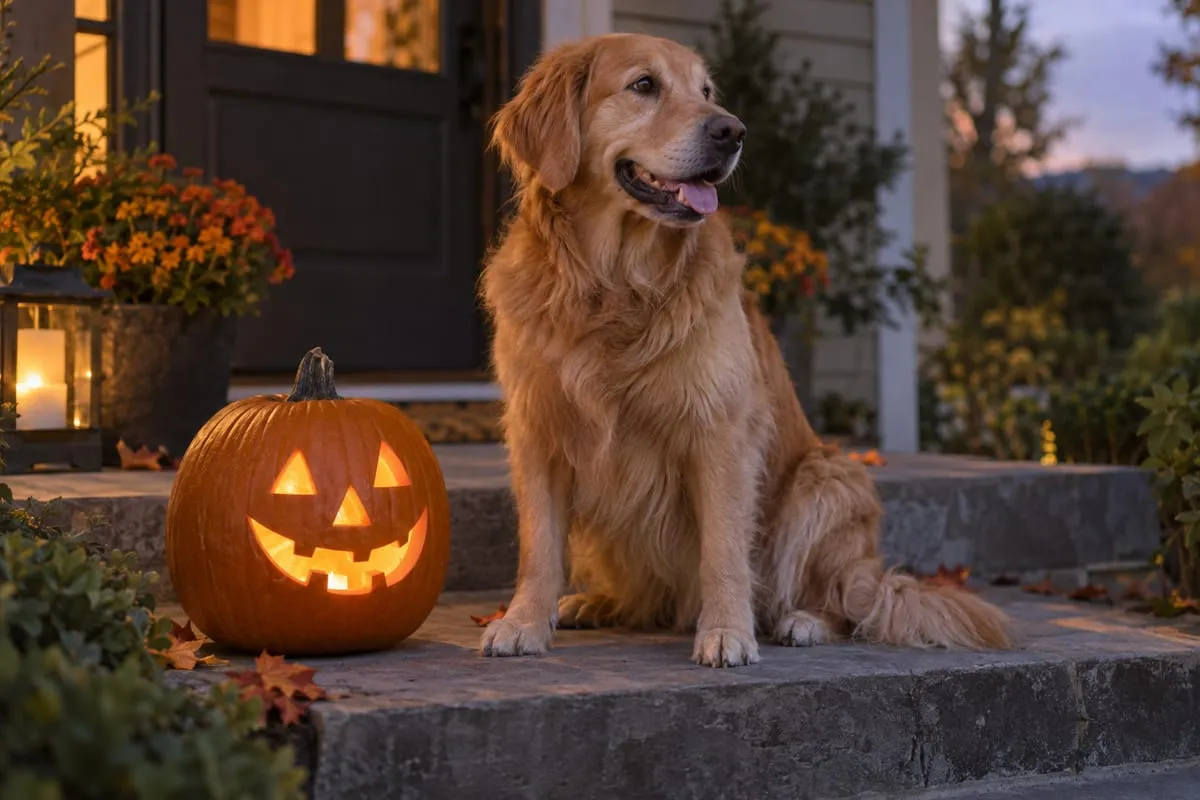
- Jack-o’-lanterns with real candles can get knocked over by a wagging tail. The ASPCA warns that pets can easily tip a lit pumpkin and start a fire. Battery-powered candles are a safer swap.
- Electrical cords for lights and inflatables should be out of reach of chewers.
- Fake cobwebs and small decorations can be swallowed.
- Old, moldy pumpkins should go in a closed bin, not the yard. (Our post on fall hazards for dogs explains why moldy food is a problem.)
Managing the Doorbell and Trick-or-Treaters
A constant stream of doorbells, knocking and costumed strangers is a lot for most dogs. The ASPCA recommends keeping pets in a separate room away from the front door during peak trick-or-treating hours, because strange costumes can spook pets and make them bolt.
Set your dog up for a calm night:
- Get exercise in early. A good walk or play session in the afternoon helps your dog settle. (Our post on ways to exercise your dog has ideas.)
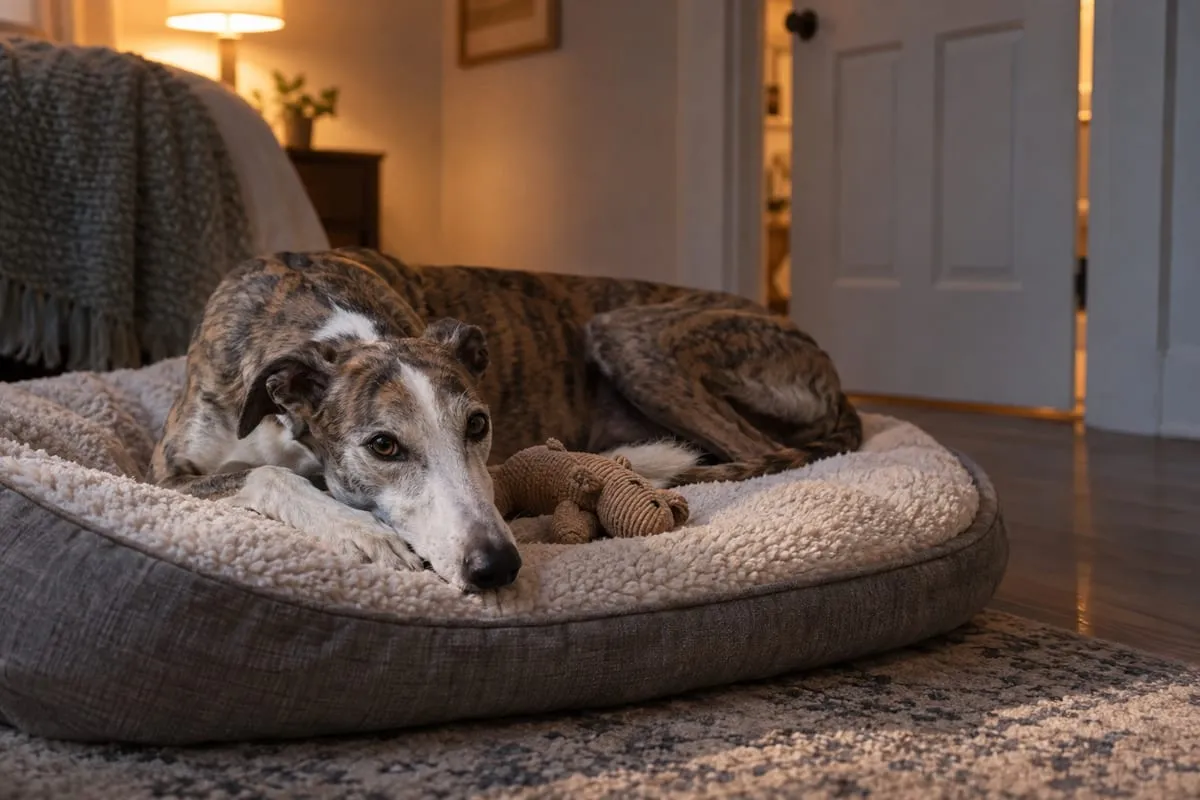
- Create a cozy hideout in a back room with their bed, water, and a long-lasting chew or stuffed puzzle toy.
- Add background noise like a TV or white noise to soften the doorbell.
- Consider sitting outside with the candy bowl so nobody needs to ring at all.
- Use a gate or a closed door so your dog can’t dart out while the front door is open.
If your dog struggles with noise or strangers year-round, talk to your vet ahead of time about options.
Walking Your Dog on Halloween Night
If you take your dog out after dark, the ASPCA suggests a reflective collar, a secure leash and proper ID. Walk before the trick-or-treating rush if you can, keep the leash short, and watch the ground for dropped candy and wrappers.
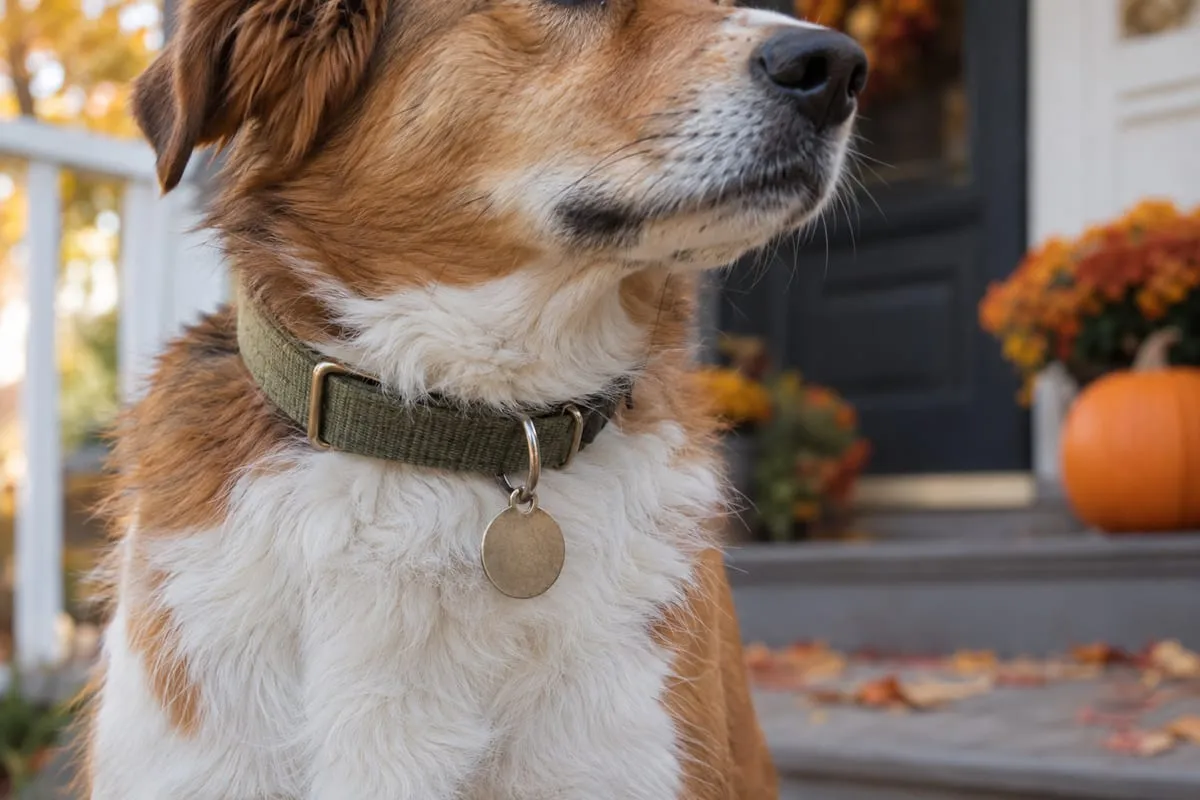
Most importantly, make sure your dog has a current ID tag and that their microchip information is up to date. The ASPCA puts it simply: pet IDs can be a lifesaver in finding a lost pet.
What to Do if Your Dog Eats Candy
- Figure out what and how much they ate, and check wrappers for chocolate type and xylitol.
- Call your vet, an emergency vet, or a pet poison hotline right away. The ASPCA Animal Poison Control Center is (888) 426-4435 (a consultation fee may apply).
- Don’t try to make your dog vomit unless a professional tells you to.
- Bring the wrappers with you to the vet.
Don’t wait for symptoms. With xylitol in particular, early treatment matters.
If you’ll be out at a Halloween party or traveling for the weekend, dog boarding or daycare can keep your pup in a calm, supervised setting while the neighborhood goes wild.
Summary
Halloween safety for dogs is mostly about planning ahead. Keep chocolate, xylitol and other candy well out of reach, only use costumes your dog is truly comfortable in, swap real candles for battery ones, and give your dog a quiet, secure room during trick-or-treating. Make sure their ID is current, and call your vet right away if they get into the candy.
For more seasonal safety tips, browse our household safety posts.
Frequently Asked Questions
How much chocolate is toxic to a dog?
It depends on the type of chocolate and your dog’s size. Dark and baking chocolate are much more dangerous than milk chocolate, and small dogs are at higher risk. Call your vet or poison control with the type, amount and your dog’s weight.
Are pumpkins safe for dogs?
Plain, cooked or canned pumpkin (not pie filling) is generally fine in small amounts. Raw pumpkin, stems, and especially moldy carved pumpkins can upset your dog’s stomach, so keep jack-o’-lanterns out of reach.
Should I put my dog in a costume?
Only if your dog is relaxed in it. Practice beforehand, choose something that doesn’t restrict movement, sight or breathing, and take it off at the first sign of stress.
Can I take my dog trick-or-treating?
Some calm, confident dogs enjoy it, but most find the crowds, costumes and noise stressful. If you bring your dog, keep them on a short leash with ID and a reflective collar, and head home if they seem anxious.