

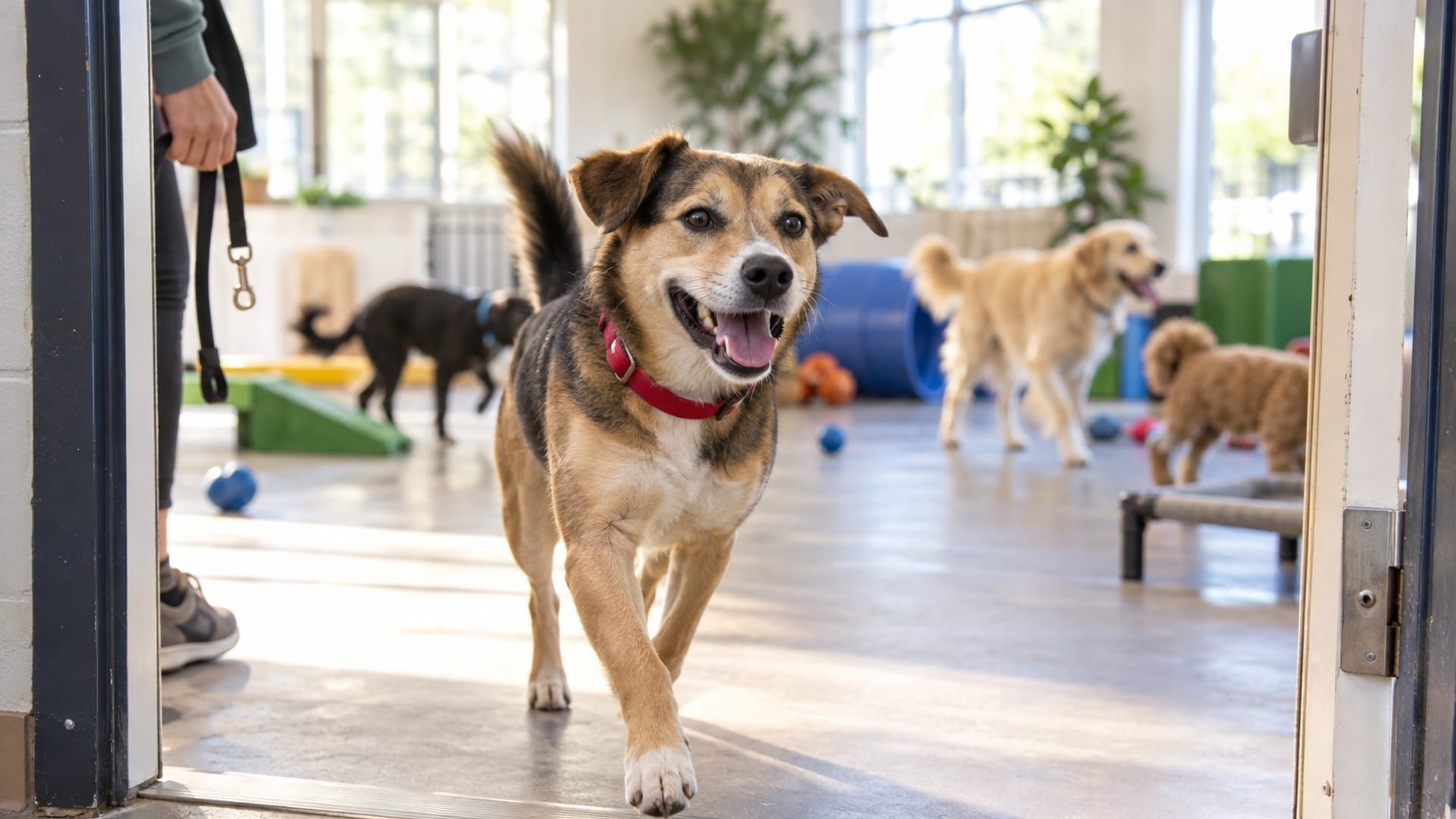
On your dog’s first day of daycare, expect a quick drop-off, a full day of supervised play broken up by regular naps, and a very tired pup at pickup. Before that first day, your dog will have met the vaccine and age requirements and passed a short temperament test, so staff already know a little about how they like to play.
Most of the worry on day one belongs to the owner, not the dog. We see it all the time: the dog trots in, sniffs a few new friends and gets on with it, while the owner lingers at the door. Knowing what the day looks like makes it easier to walk away.
Here’s how it works at Park Your Paws, from the first steps to the drive home, plus what to pack (and what to leave at home) for your dog’s first day of daycare.
Key Takeaways
- Your dog’s first day of daycare comes after three steps: meeting the health requirements, passing a 20 to 40 minute temperament test, and booking the day.
- At Park Your Paws the first week is free when you sign up for a membership, so you can see how your dog likes daycare with little risk.
- A daycare day follows a play/nap cycle, with nap rotations every couple of hours so dogs get regular downtime.
- Bring your dog on a leash with a flat collar, plus any medication (and a midday meal, only if you want one fed) with written instructions; leave toys at home.
- Keep drop-off short and upbeat. Most dogs settle within minutes once the owner leaves.
Table of Contents
- What Happens Before Your Dog’s First Day of Daycare?
- What Does a Day at Daycare Look Like?
- What Should I Bring on the First Day?
- What Should I Leave at Home?
- How Do Drop-Off and Pickup Work?
- Will My Dog Be Nervous on the First Day?
- What Is My Dog Like After the First Day?
- Summary
- Frequently Asked Questions
What Happens Before Your Dog’s First Day of Daycare?
Three things happen before the first full day: your dog meets the health and age requirements, passes a short temperament test, and you book the day. Most families get through all three in a week or two.
Daycare Requirements
Every dog in the pack needs to meet the same basics. At Park Your Paws your dog must be:
- at least 4 months old;
- spayed or neutered if they’re over 7 months old;
- current on Rabies, Distemper (DHLP) and Bordetella vaccines (Canine Influenza preferred), or have valid titer testing;
- through a passed temperament test.
Get your vet records together early. Bordetella and other vaccines sometimes need a little time before they count, so ask your vet about timing if your dog is due. Our post on kennel cough in dogs explains why the Bordetella vaccine matters anywhere dogs share air and water bowls.
The Temperament Test
The temperament test is a short visit, about 20 to 40 minutes, that you schedule on your location’s get-started page. Staff start with staged introductions to a few dogs, then move your dog into the room for the final assessment, watching how they meet new people and new dogs, how they play, and how they handle a busy room. It isn’t pass or fail in a harsh sense: it tells us whether your dog will enjoy the pack and where they’ll fit best.
Our post on what a daycare temperament test is explains what staff look for and how to prepare your dog.
A Free First Week With a Membership
Once your dog passes, you can come by the day ($37) or sign up for a weekly membership. With a membership, the first week is free. If daycare turns out not to suit your dog, we’ll tell you honestly what we saw.
What Does a Day at Daycare Look Like?
A day at daycare is a cycle of play and rest. Dogs play in a supervised indoor dog park, and every couple of hours they rotate through a nap so everyone gets some real downtime. Here’s the general shape of the day:
- Morning: arrivals and open play while the pack settles in.
- Play blocks: stretches of concentrated play and specialty breakouts.
- Nap rotations: every couple of hours, dogs take turns resting before heading back to play.
- Midday meals: only for dogs whose owners ask for it and send a meal.
- Late afternoon: open play until you arrive for pickup.
The rest periods matter as much as the play. A dog who plays nonstop for eight hours gets overtired and cranky, the same way a toddler does. Regular naps keep the whole group calmer, and staff watch each dog through the day and move them into a playgroup or a quiet spot to recharge as needed. Our dog daycare page has more on how the day runs.
Expect your dog’s first day to be a little different from day ten. New dogs often spend the first hour sniffing everything and checking out the other dogs from a distance before they join in.
How Playgroups Work at Each Location
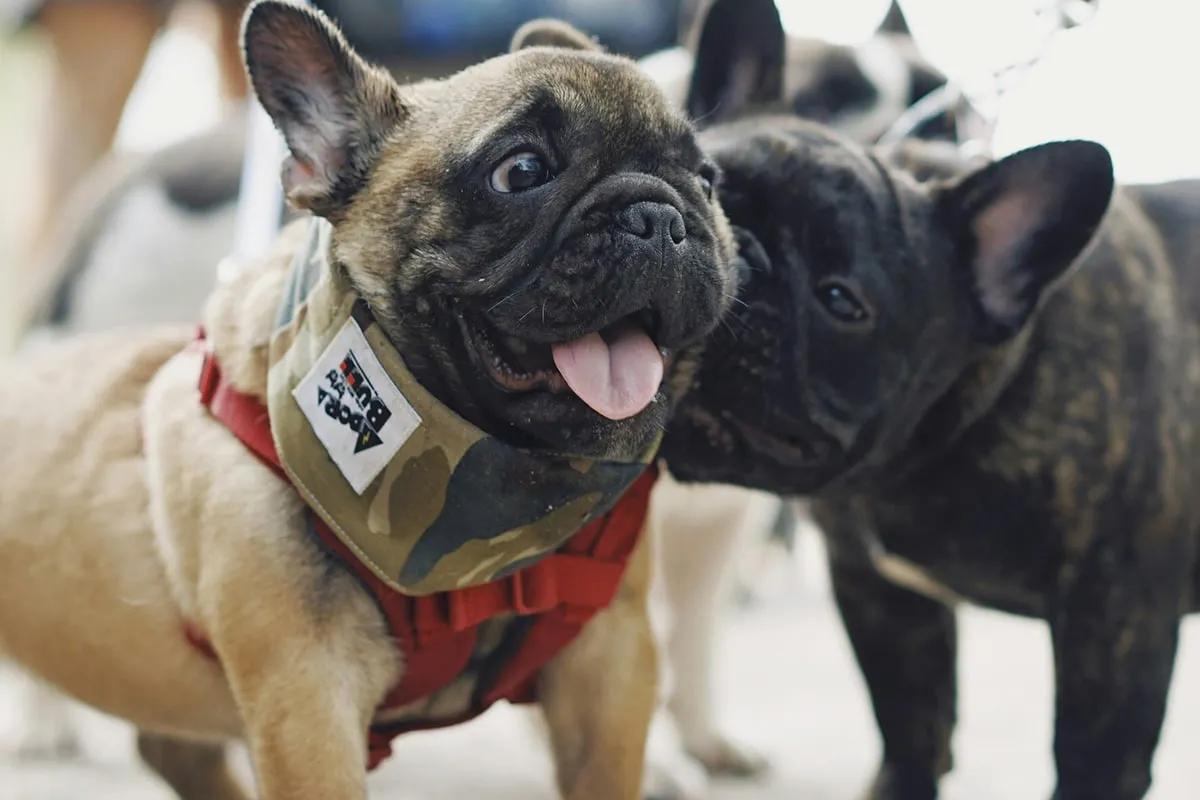
Our two locations set up play a little differently:
- Columbus Downtown matches dogs into playgroups by play style, so wrestlers, chasers and gentle players each have a group that fits them.
- Columbus North currently plays as one mixed group, a neighborhood pack where dogs of all sizes and styles share the floor with close staff supervision.
Both work well. If your dog has a strong play style (very rough, or very shy), ask about it at the temperament test. Our post on your dog’s social skills at daycare covers what dogs learn from playing with all kinds of pups.
What Should I Bring on the First Day?
Bring less than you think. Daycare is about play, so your dog needs very little:
- A leash and a flat collar or harness for the walk in and out.
- A midday meal, only if you want one fed. Midday meals are optional. If your dog normally eats lunch, pack it in a labeled container with written instructions.
- Any medication, in its original packaging, with the dose and time written down. We don’t charge for giving medication or preparing food.
- Vaccine records, if you haven’t already sent them in.
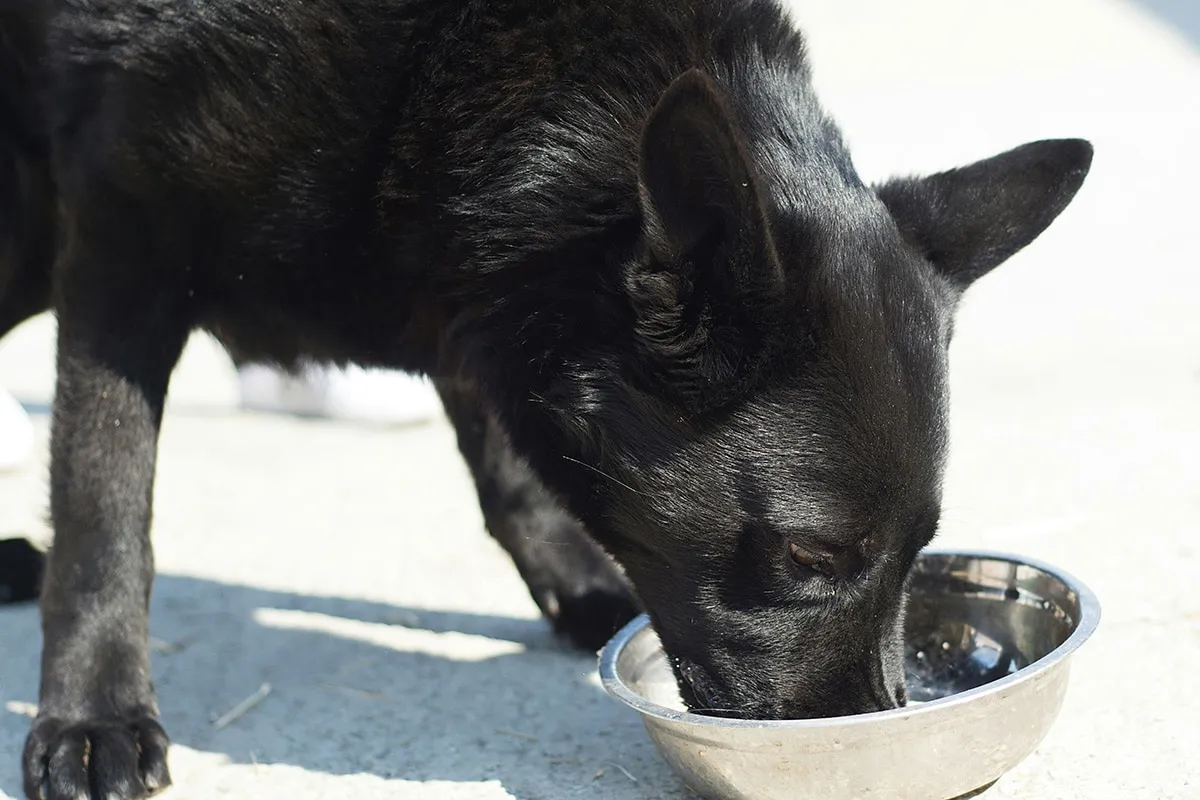
That’s it. If your dog eats fast, a portion in a slow feeder can help at mealtime, since some dogs gulp food when other dogs are nearby.
What Should I Leave at Home?
Leave toys, bones and chews at home. We don’t accept toys from home because they can cause resource guarding in a group, even in dogs who share happily on the couch.
A few other things to skip:
- Treats for the other dogs. Allergies and diets vary a lot.
- Beds and blankets. Save those for a boarding stay.
How Do Drop-Off and Pickup Work?
Drop-off is quick: walk in on a leash, hand your dog to staff, mention anything new (a missed breakfast, a sore paw), and go. Pickup is the reverse, and it’s a good time to ask how the day went.
Both locations are open 7 days a week:
- Columbus Downtown: 6:30 a.m. to 7:30 p.m. on weekdays, and 8 a.m. to 6 p.m. on weekends.
- Columbus North: 7 a.m. to 7 p.m. every day.
For the first day, try to arrive during morning open play. Easing in while things are relaxed helps.
Will My Dog Be Nervous on the First Day?
Some dogs are, and that’s normal. A new place has new smells, new sounds and a lot of new dogs. Nervous dogs usually show it by sticking close to staff, pacing, or watching from the edge of the room for a while.
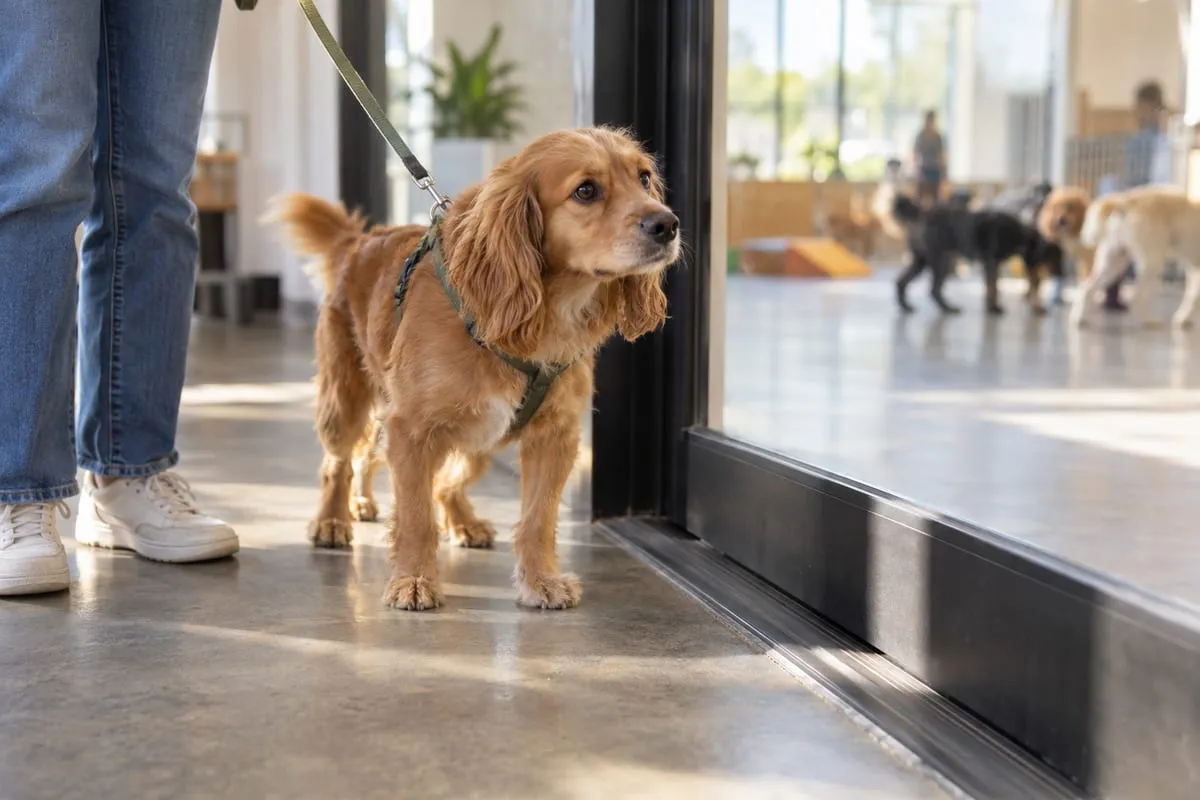
Here’s how staff help a nervous pup:
- Space to watch. New dogs can sniff around and observe before they join in. Nobody forces play.
- Breaks when needed. Staff watch each dog through the day, and a pup who’s overwhelmed gets time to rest and recharge.
- Honest feedback. At pickup, staff tell you how the day really went, including anything that seemed hard.
You can help, too. Keep goodbyes short and cheerful, since a long, emotional goodbye tells your dog something big is happening. If your dog struggles when you leave the house, our post on separation anxiety in dogs has tips that also make drop-off easier.
What Is My Dog Like After the First Day?
Tired. Very tired. Most dogs aren’t used to that much play and sleep hard the night after their first day of daycare.
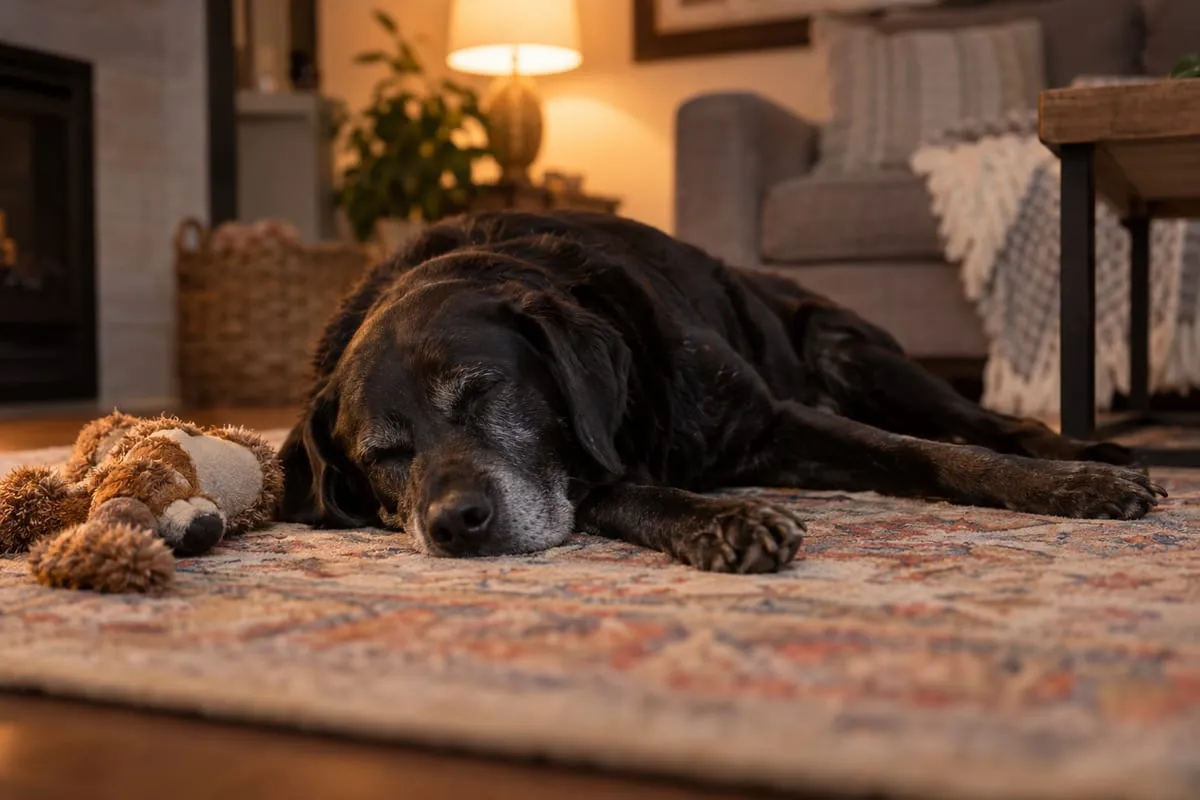
A few other normal after-daycare things:
- Extra thirst. Play is thirsty work. Have fresh water ready.
- A smaller appetite or a bigger one. Both are common for a day or two.
- A “daycare smell.” A day of play with friends comes home with your dog.
Call us if anything seems off, like a limp, a cough or a dog who seems unhappy instead of tired. If your dog seems to love it, our guide on how often your dog should go to daycare helps you pick a schedule.
Summary
So, what should you expect on your dog’s first day of daycare? A short drop-off, a day of supervised play with regular nap rotations, and a sleepy dog at pickup. Before that day, your dog meets the age and vaccine requirements and passes a 20 to 40 minute temperament test, and at Park Your Paws the first week is free when you sign up for a membership.
To get ready: gather your vet records, pack any medication (and a midday meal, if you want one fed) with written instructions, leave the toys at home, and keep the goodbye short. Then go enjoy your day. Your pup will be busy.
Frequently Asked Questions
How long does it take a dog to adjust to daycare?
Many dogs settle in on day one, and most are comfortable within two or three visits. Shy dogs can take a couple of weeks of regular visits, and a steady schedule helps more than occasional days.
Should my dog eat breakfast before daycare?
A normal breakfast is fine for most dogs, ideally an hour or more before drop-off so they aren’t playing hard on a full stomach. If your dog gets an upset stomach when excited, a slightly smaller breakfast can help.
Is it normal for my dog to be exhausted after daycare?
It is. A day of play and social time is a lot of work, and most dogs sleep hard that evening. If your dog is still wiped out the next day, or seems sore, check in with staff and your vet.
Do I need a reservation for daycare?
Reservations are recommended but not always required. On busy days near capacity, dogs with a reservation come first, so booking ahead gives you peace of mind.
What if my dog doesn’t like daycare?
Occasionally a dog isn’t suited to a group setting, and that’s no one’s fault. If that’s the case, we’ll be honest with you, tell you what we saw, and suggest what might suit your dog better.